Treatment
options
Crowding, gaps, overbites, underbites and crossbites. What differs between these appliances is how visible treatment is, and how much of the work each one can do.
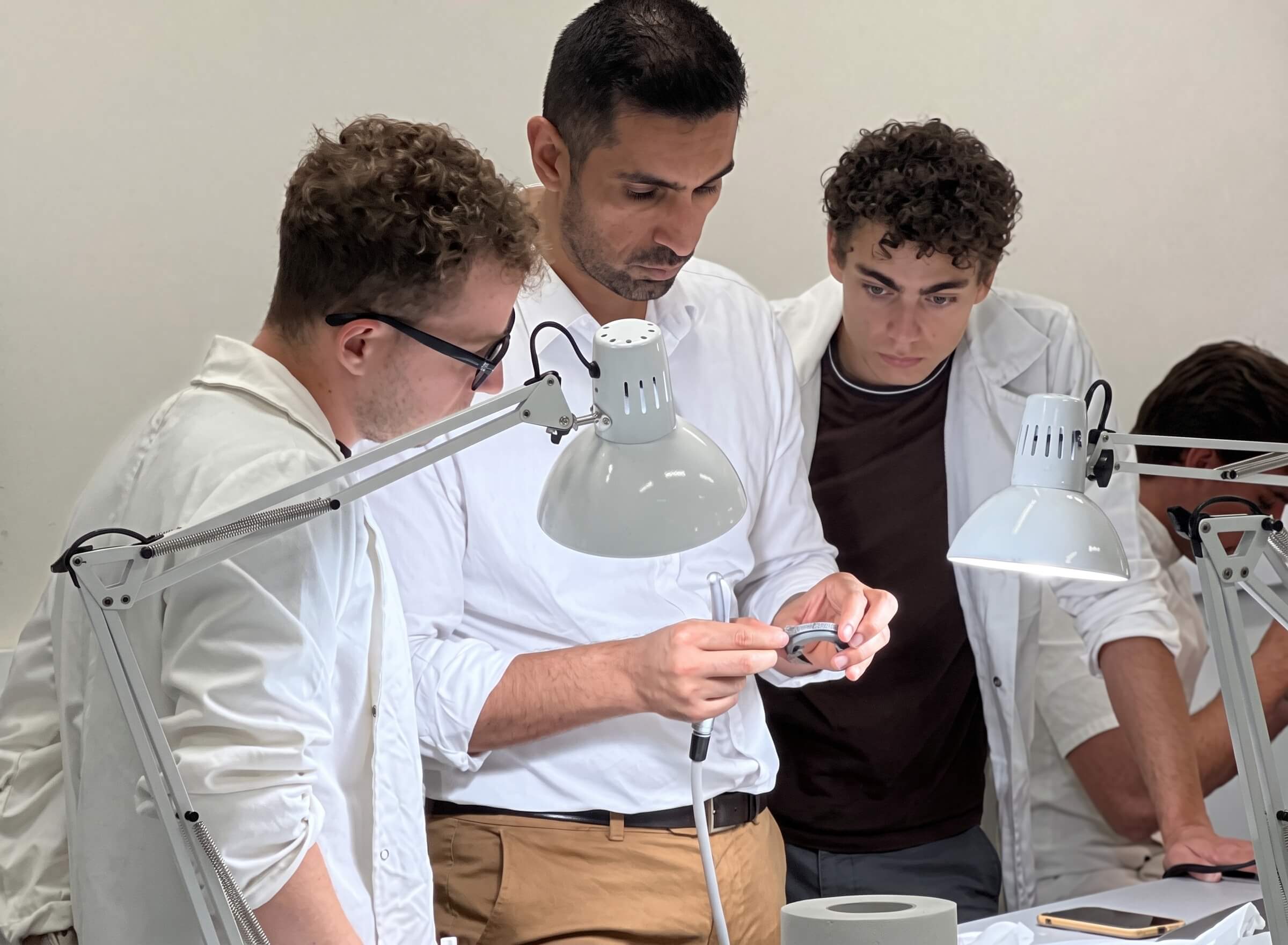
Two questions decide it.
Almost every orthodontic decision comes down to two things: what the case clinically needs, and how visible you are willing for treatment to be. Some problems can be solved several ways. Others can only be solved one way.
Dr. Deen will tell you honestly which category yours falls into, rather than fitting the appliance you walked in asking for.
Treatments · 01–04 of 08
Moving the teeth
The four ways to straighten teeth.
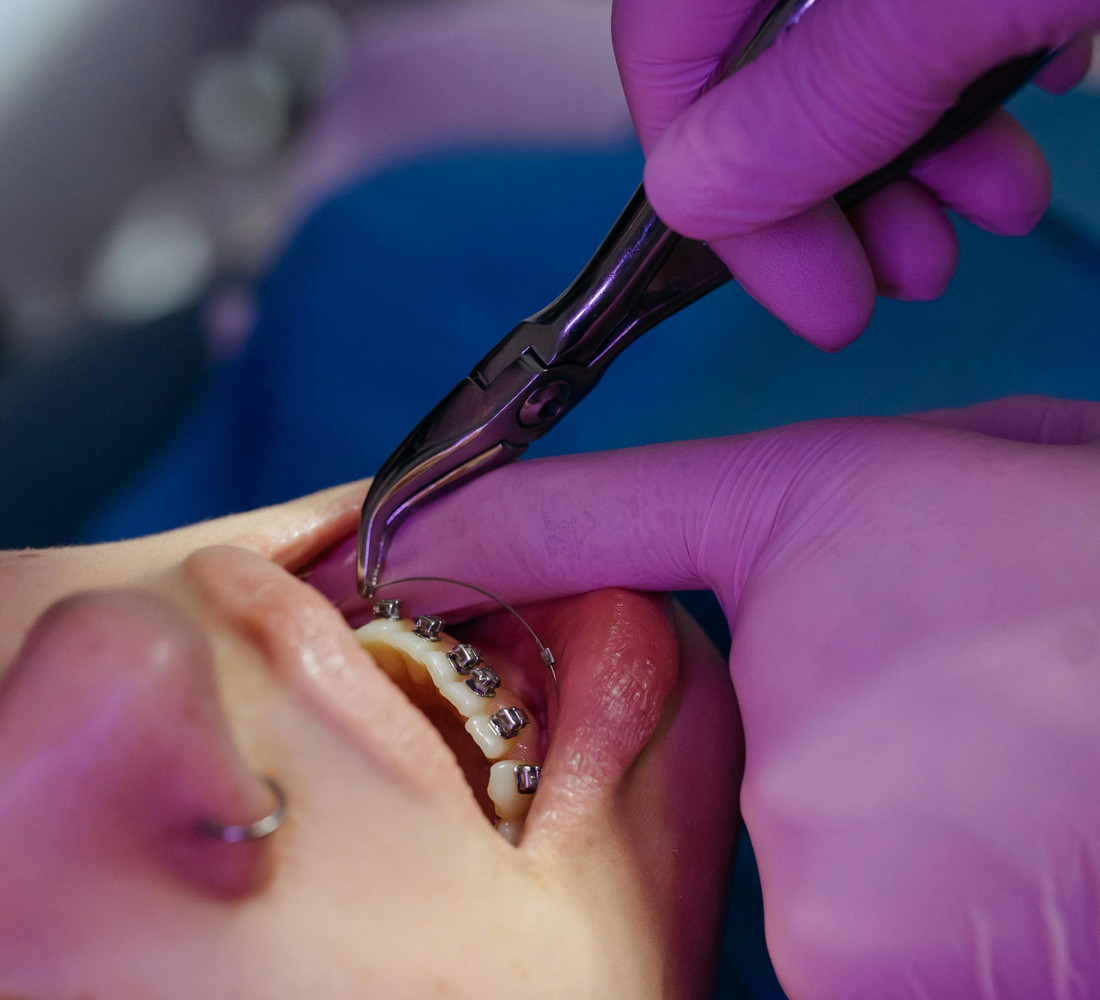
Metal braces
Stainless steel brackets and wires. The most versatile and cost-effective option, and still the most precise for complex movements.
Read more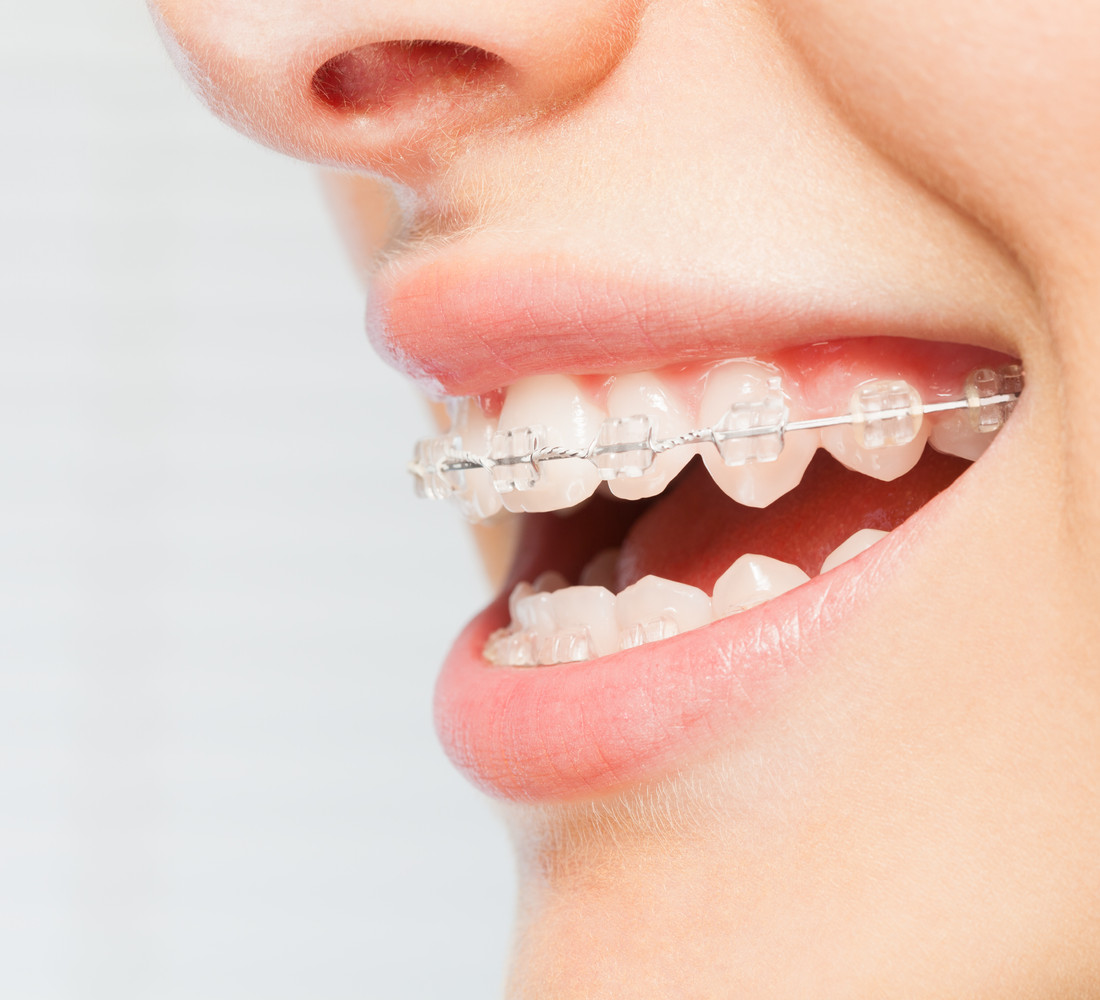
Ceramic braces
Tooth-coloured or clear brackets that blend with the natural teeth. The same mechanics, far less visible.
Read more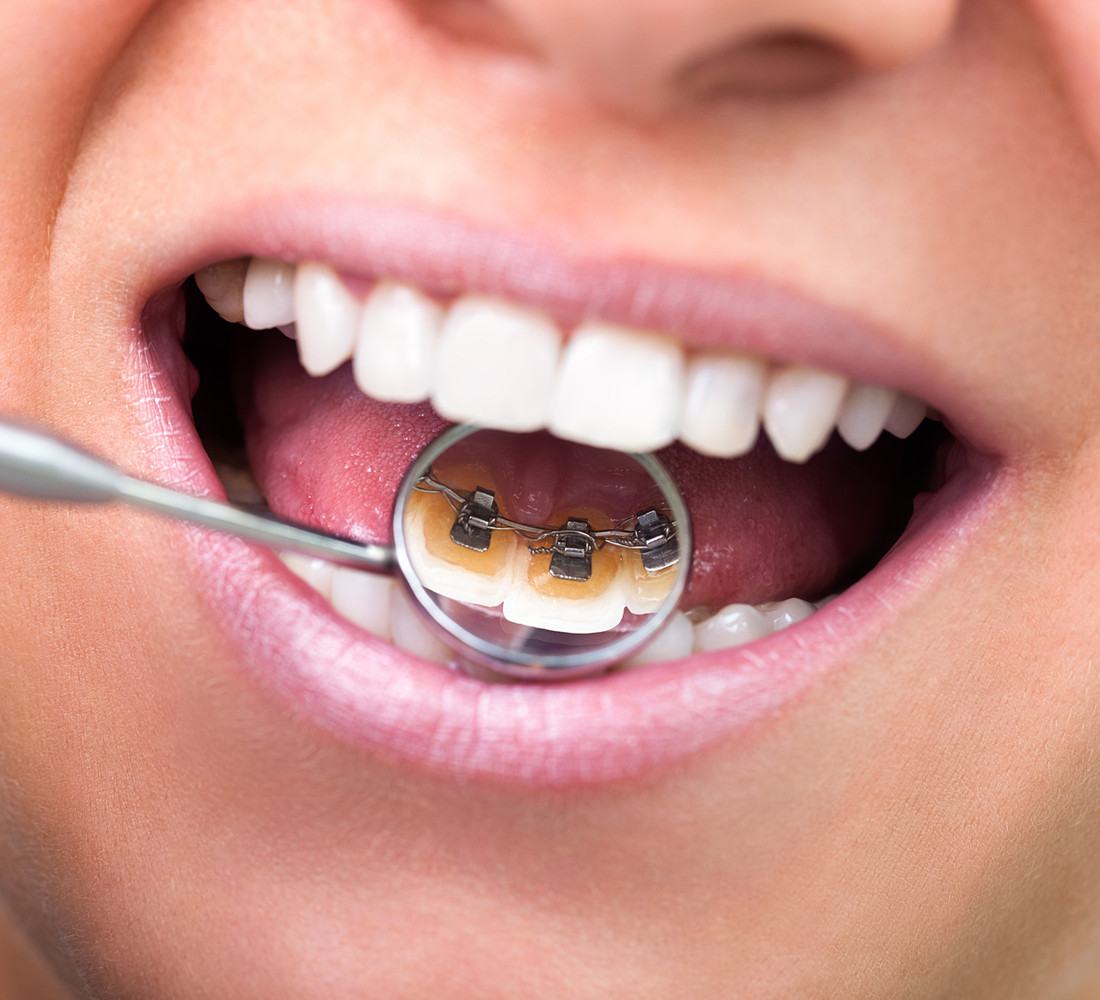
Lingual braces
Bonded behind the teeth, including the WIN system. Invisible from the outside, and customised to each tooth.
Read more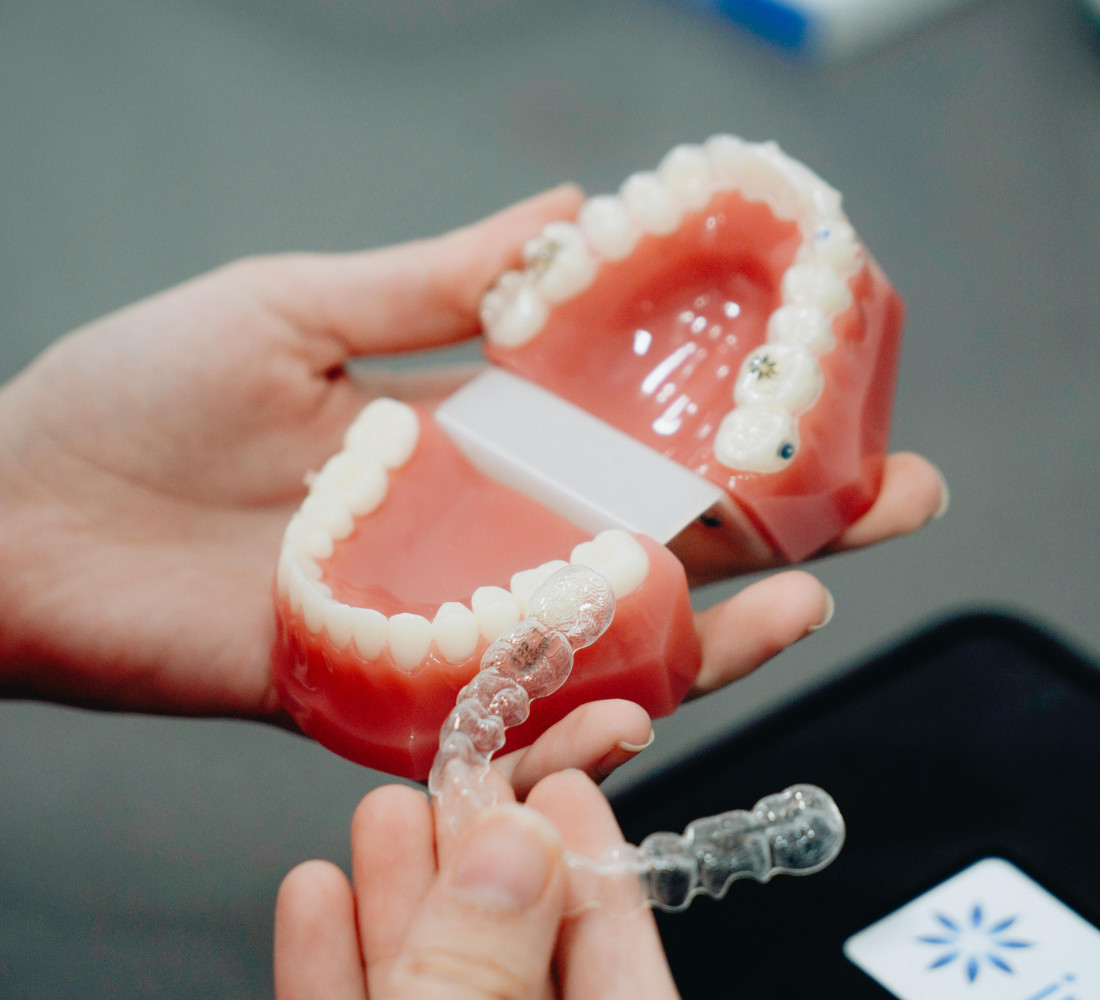
Clear aligners
Invisalign and ClearCorrect. Removable transparent trays changed roughly every ten days, with no dietary restrictions.
Read moreTreatments · 05–08 of 08
Guiding growth, holding results
The appliances that make difficult cases possible, and the ones that keep a finished result where it should be.
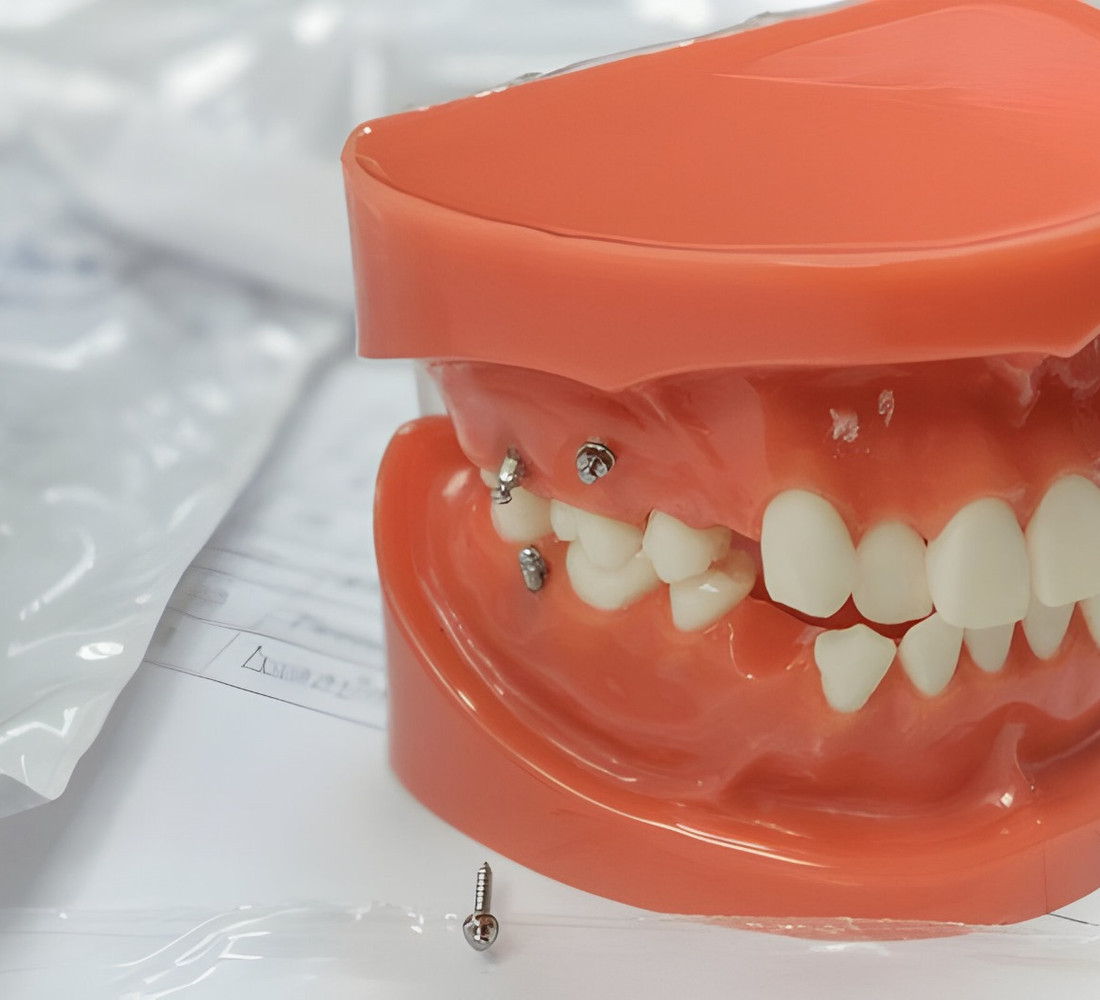
Mini screws
Temporary anchorage devices that correct bite problems which traditionally needed jaw surgery. Dr. Deen’s doctoral field.
Read more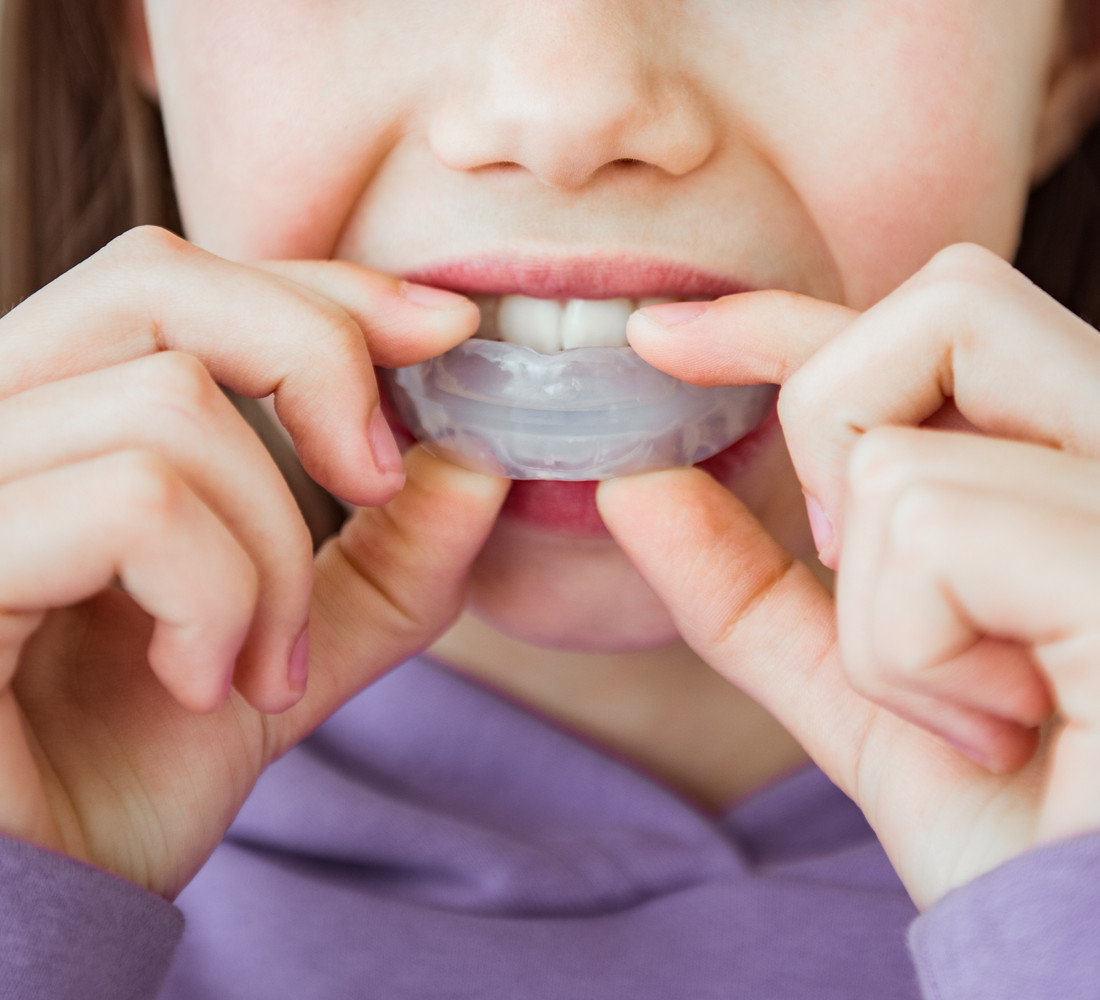
Functional appliances
Braces that modify how the jaws grow in children and teenagers — treating the cause of a bite problem, not just the teeth.
Read more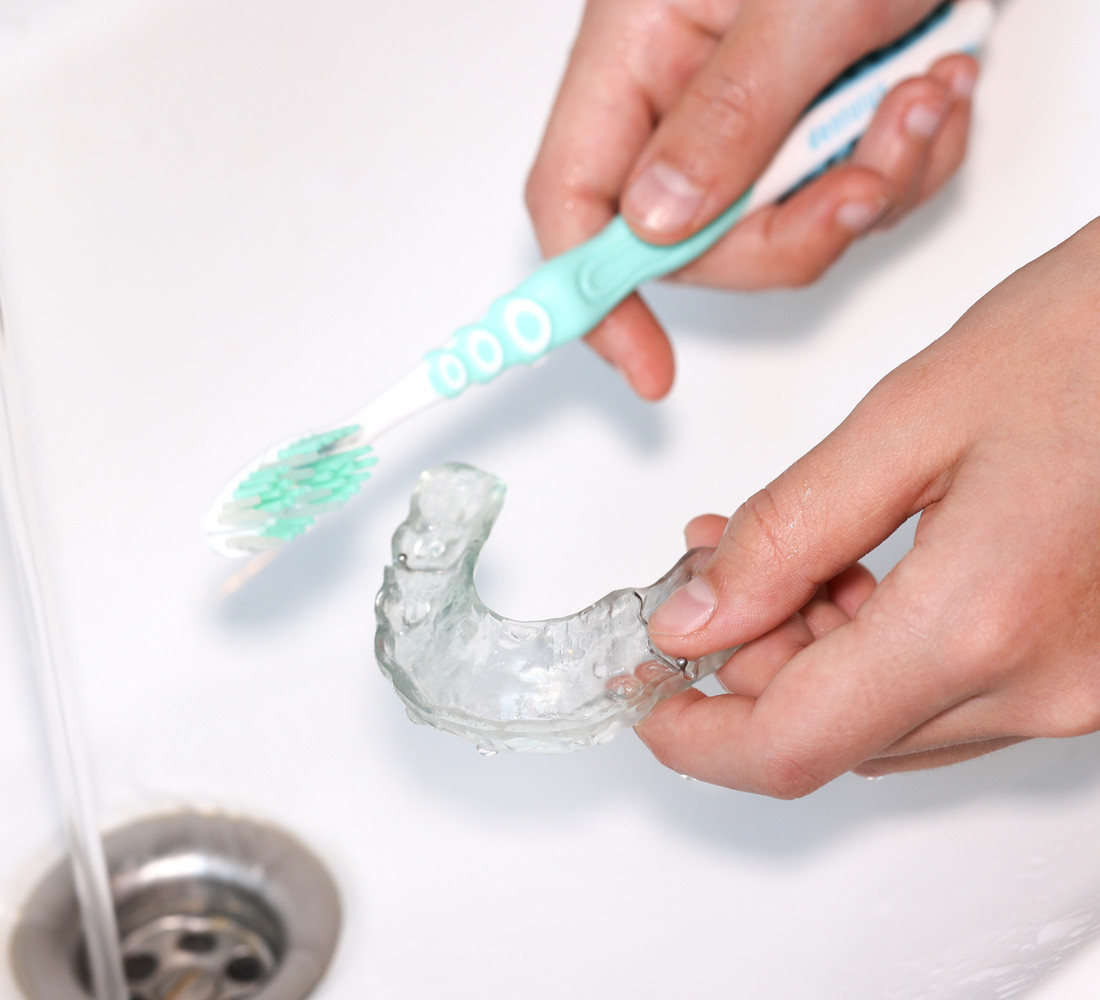
Retainers
Fixed or removable, and not optional. Teeth always want to return to where they started; retainers are what stop them.
Read more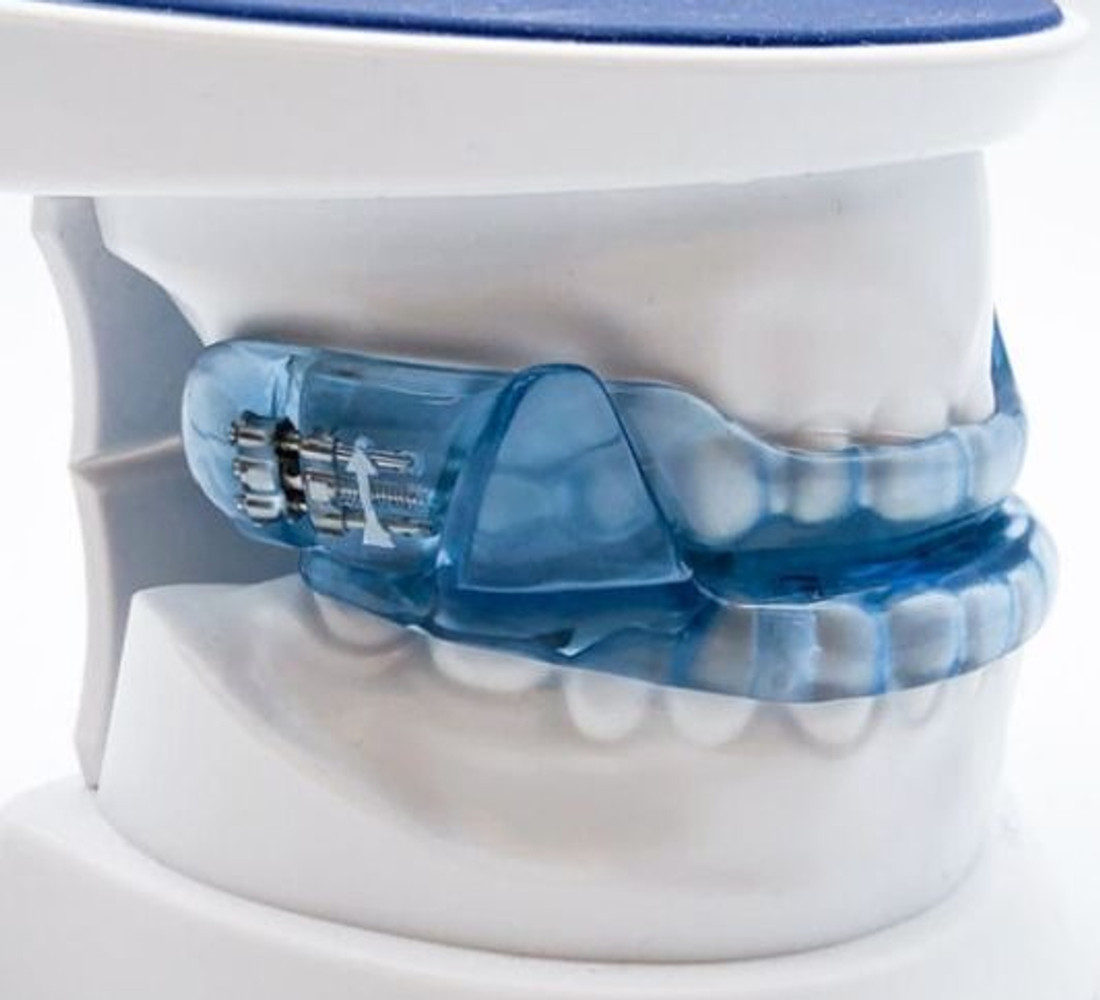
Sleep appliances
Custom oral devices that hold the airway open during sleep, for snoring and obstructive sleep apnoea.
Read more