TMJ Disorder Specialist Malta: Advanced Orthodontic Relief for Jaw Pain
Did you know that nearly 34% of people across Europe experience the clicking, locking, and persistent discomfort of…
ReadWhat to expect, what to eat, how to keep everything clean — and what to do when something comes loose. Most problems have a simple answer.
Something broken or painful? Call the clinic on +356 9938 5673
Discomfort in the first few days is normal and expected. It settles. Here is how to make it easier.
Aftercare · by appliance
Brush after every meal, not just morning and night. Food trapped around brackets is what causes the white marks people notice when braces come off.
Aligners only move teeth while they are in your mouth. Aim for 20–22 hours a day — everything except eating and cleaning.
Everything that applies to fixed braces applies here, with two additions.
These work with jaw growth, which means wear time is not optional — an appliance left in its box does nothing at all.
Retention is the stage that protects everything the treatment achieved. Teeth always want to return to their previous position.
Some tenderness around the site for a day or two after placement is normal.
Questions · asked most often
Tenderness for three to five days after fitting or an adjustment, easing steadily after that. Teeth can feel sensitive to biting during this period.
What is not normal: severe pain, swelling, or a sharp point cutting into the cheek or tongue. Call the clinic if you have any of those.
This is not an emergency, but do let us know so we can decide whether you need to be seen before your next appointment.
If the bracket is still threaded on the wire, leave it there and cover it with wax. If it has come away completely, keep it and bring it with you.
Cover the end with orthodontic wax as a first step. If that is not enough, the end of a clean cotton bud can be used to push the wire flat against the tooth.
As a last resort a poking end can be trimmed with clean nail clippers — but call us first if you can, and in either case let us know at your next visit.
Most things, in a different form. The rule is: nothing hard, nothing sticky, and cut rather than bite.
With clear aligners there are no dietary restrictions at all, because the trays come out to eat.
Go back to the previous set straight away so the teeth do not drift, and contact the clinic. Depending on where you are in the series, we will either move you forward to the next set early or order a replacement.
Do not simply leave them out — even a few days without anything in place can mean the following aligners no longer fit.
Contact the clinic promptly. Teeth can move noticeably within a few weeks of retention stopping, and a replacement made quickly is far cheaper than repeating treatment.
If you still have an older retainer that fits, wear that in the meantime.
It depends entirely on the case. Dr. Deen will give you an estimate at the consultation, once he has the records in front of him, rather than a figure guessed in advance.
What genuinely shortens treatment is keeping appointments, wearing elastics or aligners as instructed, and not breaking brackets.
Yes to both. For contact sport, wear a mouthguard — tell us you need one and we will advise on the right type for braces.
Wind and brass players usually need a couple of weeks to readjust their embouchure. Wax over the brackets helps during that period.
They will try to. Teeth always want to return to their pre-treatment position, and some move unpredictably with age regardless of whether you ever had braces.
This is exactly what retainers exist for, and why retention is treated as part of the treatment rather than an afterthought. See retainers.
If your question is not answered here, call the clinic or send a message. We would far rather hear from you early.
Blog · written by Dr. Deen
Braces, clear aligners, retainers, jaw pain, and when to bring a child in.

Did you know that nearly 34% of people across Europe experience the clicking, locking, and persistent discomfort of…
Read
What if you could achieve a perfectly aligned smile without anyone ever noticing you're undergoing treatment? For…
Read
What if the best time to visit an orthodontist isn't when your child has a full set of adult teeth, but while they're…
Read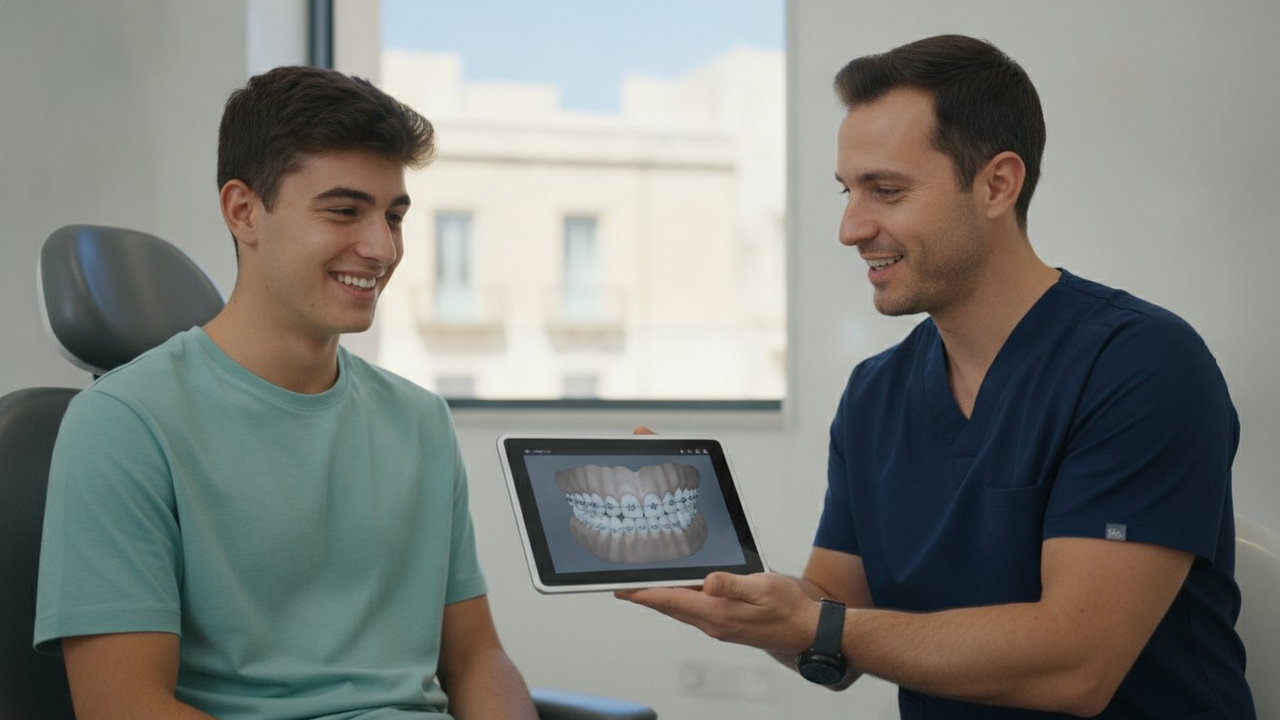
While clear aligners often dominate the conversation, the reality is that traditional metal braces remain the most…
Read
Keeping Germs at Bay Bacteria, fungi, and viruses thrive in the warm, wet environment of the mouth. And when left…
Read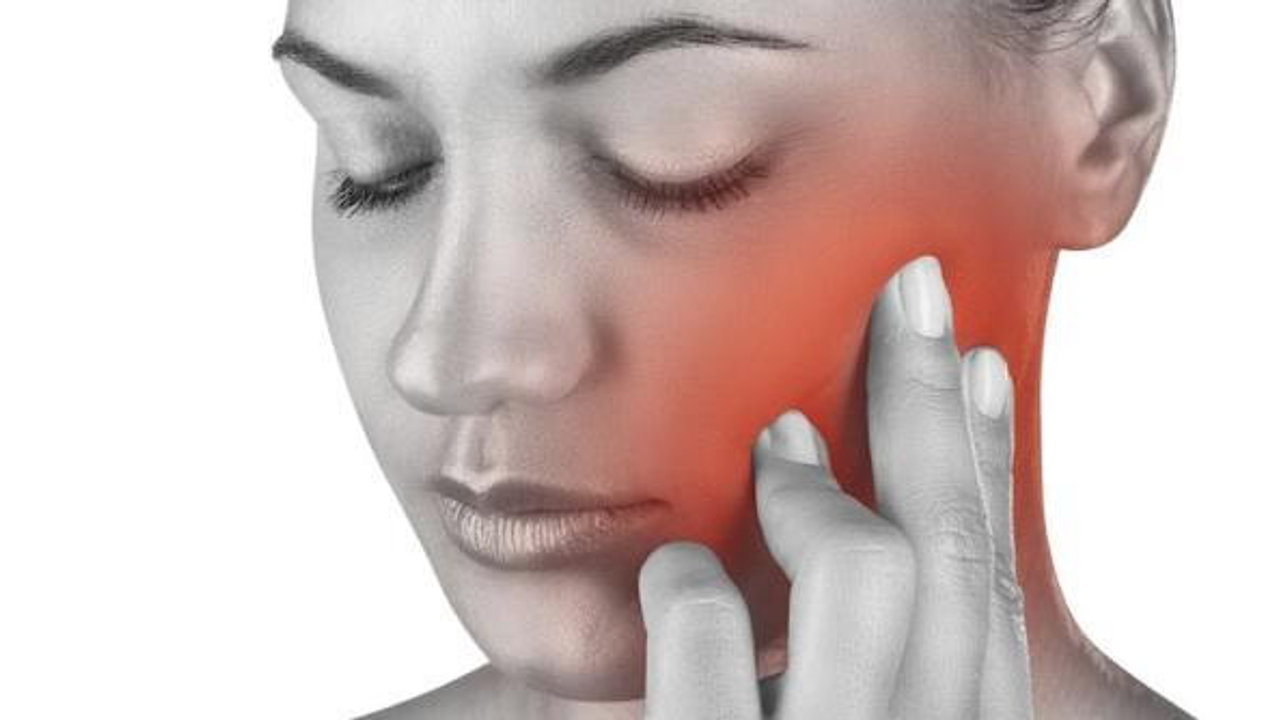
TMD and Orofacial pain Understanding TMJ/TMD and How Orthodontic Treatment Can Help If you frequently experience jaw…
Read